- English
- Español
- Português
- русский
- Français
- 日本語
- Deutsch
- tiếng Việt
- Italiano
- Nederlands
- ภาษาไทย
- Polski
- 한국어
- Svenska
- magyar
- Malay
- বাংলা ভাষার
- Suomi
- हिन्दी
- Pilipino
- Türkçe
- Gaeilge
- العربية
- Indonesia
- Norsk
- تمل
- český
- ελληνικά
- український
- Javanese
- فارسی
- தமிழ்
- తెలుగు
- नेपाली
- Burmese
- български
- ລາວ
- Latine
- Қазақша
- Euskal
- Azərbaycan
- Slovenský jazyk
- Македонски
- Lietuvos
- Eesti Keel
- Română
- Slovenski
- मराठी
- Srpski језик
- Dansk

How Are Flower Baskets Selected, Sized, and Integrated into Today’s Decorative?
Flower baskets have become one of the most widely applied decorative carriers in residential, commercial, hospitality, and event-driven environments. As demand expands across gardening, merchandising, display design, and interior styling, understanding how these baskets are selected, specified, sized, manufactured, and deployed is essential for professionals who require consistent quality and scalable procurement.
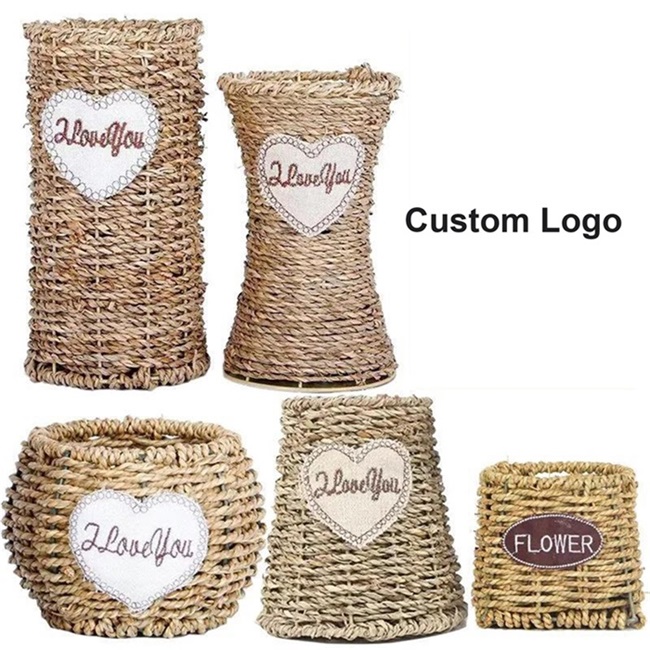
To support technical evaluation, the table below outlines key product parameters typically referenced when specifying high-volume flower basket orders. While dimensions, materials, and weight ratings vary by manufacturer, the following specification set reflects the commonly requested configuration in commercial sourcing landscapes:
| Specification Category | Typical Parameter Description |
|---|---|
| Material Composition | Natural wicker, bamboo, rattan, wood fiber, resin wicker, polypropylene, metal wire frame, or hybrid materials |
| Structural Reinforcement | Internal wire framing, bottom cross-supports, double-woven sidewalls, injection-molded bases |
| Diameter Range | 10 cm to 55 cm (small, medium, large commercial display formats) |
| Height Range | 8 cm to 45 cm depending on design profile (shallow, medium-depth, tall) |
| Handle Type | Single loop handle, dual side handles, reinforced metal handle, no-handle basket formats |
| Surface Treatment | Waterproof coating, UV-resistant varnish, clear lacquer, natural finish, color-stained layers |
| Lining Options | Plastic liners, removable waterproof liners, breathable textile liners, no-liner open-weave |
| Load Capacity | 0.5 kg to 15 kg depending on size and structural reinforcement |
| Production Method | Hand-woven, machine-woven, injection-molded, hybrid fabrication |
| Application Environments | Indoor décor, retail shelving, floral retail packaging, event staging, hospitality displays, gift packaging |
The remainder of this article is organized into four major sections. Each section applies a “How”-styled deep question to guide structured analysis, ensure SEO alignment, and deliver comprehensive content relevant to buyers, distributors, and market researchers.
How Do Material Composition and Fabrication Methods Influence the Practical Use of Flower Baskets Across Different Settings?
Material composition remains one of the fundamental variables shaping aesthetic adaptability, placement possibilities, and overall performance of flower baskets. Contemporary buyers face a wide spectrum of fabrication choices ranging from natural weaves to synthetic composites, each suited to specific contexts. Understanding how these materials interface with climate exposure, moisture levels, load requirements, and intended usage ensures proper alignment between product selection and operational needs.
Natural wicker, rattan, bamboo, and wood-based materials are often selected for indoor placements and controlled-environment décor installations. Their tactile surfaces, warm tones, and visual grain patterns allow integration with residential interiors, boutique stores, hotel lobbies, and hospitality lounges. Several manufacturing workflows support these designs, including hand-weaving techniques that provide irregular but visually appealing texture, as well as machine-assisted weaving that increases uniformity in commercial batches.
Hybrid designs—combinations of natural fibers and metal wire or polypropylene reinforcement—have gradually become mainstream in retail display contexts. These products leverage the organic appearance of woven materials while obtaining the mechanical integrity required for handling, transportation, and prolonged positioning. Such hybrid baskets are commonly used in supermarkets, flower shops, shopping malls, and event venues where durability and stability are essential.
Synthetic resin wicker, polypropylene, and molded composites are frequently chosen for environments requiring strong resistance to humidity, direct water application, or variable temperatures. While aesthetics can be engineered to resemble natural materials, these baskets excel in high-traffic locations where repeated loading and unloading cycles occur. Production methods for these materials include extrusion, injection molding, and machine-woven structures that deliver consistent rigidity and dimensional accuracy across large procurement batches.
Fabrication technique also determines shaping, depth profiles, and load-bearing performance. Examples include double-woven sidewalls for structural strength, cross-reinforced bottoms for weight distribution, and integrated handles that provide ergonomic support during transportation. For users planning large-scale deployment—such as event planners or floral retailers managing high turnover—these fabrication considerations have direct operational implications.
How Should Flower Baskets Be Sized, Configured, and Positioned to Optimize Display, Arrangement, and Spatial Integration?
Sizing and configuration decisions play a critical role in ensuring flower baskets are compatible with both the arrangement placed inside and the broader spatial environment. The selection of diameter, height, taper shape, and internal volume should be tailored to specific visual and functional expectations. This section outlines the core principles professionals use when aligning basket dimensions with placement strategy.
For tabletop arrangements, shallow or medium-depth baskets typically ranging from 15 to 30 cm in diameter provide balanced proportions. They allow floral compositions to maintain stability while preventing excessive concealment of stems. Meanwhile, tall baskets with defined vertical profiles often support elongated arrangements or act as statement pieces in entry areas, reception desks, or retail signage.
When integrating baskets into shelving systems—particularly in stores, greenhouses, and showrooms—dimension conformity becomes essential. Uniform sizing enhances visual consistency and improves stocking efficiency. Procurement teams frequently select sets that include two or three standardized sizes to align with tiered display racks. Baskets used for merchandising should also incorporate liners to prevent moisture transfer onto shelving surfaces.
Suspended baskets or hanging configurations require reinforced rims and secure handle attachment points. These designs are positioned in balconies, garden installations, outdoor walkways, or mall atriums. Understanding the load tolerance of hanging baskets ensures safe placement, especially in environments exposed to wind or continuous customer flow.
Large floor baskets function as standalone decorative structures in lobbies, hotel suites, dining venues, and galleries. Their diameter often exceeds 40 cm and may include structural reinforcement to support fuller floral compositions or artificial arrangements. Placement strategy must consider sightlines, foot traffic patterns, and overall thematic coherence, especially in hospitality or event-driven environments.
Spatial integration also addresses color coordination, textural balance, and geometric harmony. Dark-toned baskets may anchor a setting, while light-toned or neutral baskets create open, airy visual flow. Furthermore, groupings of baskets in varying heights create vertical layering that enriches spatial depth. Professionals frequently use cluster arrangements on stair landings, corridors, or event backdrops to achieve more sculptural compositions.
How Can Procurement Teams Evaluate Quality, Ensure Consistency, and Manage High-Volume Orders of Flower Baskets?
Quality evaluation encompasses structural integrity, material consistency, finish uniformity, and batch-level reliability. For procurement teams, this evaluation often follows multi-stage assessment workflows that verify conformity to project specifications and ensure readiness for high-volume distribution.
Structural integrity begins with examining weave density, junction stability, and bottom reinforcement. Commercial buyers inspect the tension of interwoven fibers to ensure the basket will maintain shape during handling and usage. Machine-woven baskets typically provide greater uniformity, while hand-woven baskets may display slight variation that enhances artisanal characteristics.
Consistency audits also extend to color application. Whether the basket uses clear varnish, color stain, or natural finishing, uniformity across all units is essential for retail and hospitality installations. Variations in tone may disrupt cohesive visual presentation, particularly in high-visibility settings such as showroom entrances or staged photo displays.
In orders that involve hybrid materials or metal reinforcement, procurement teams verify bonding strength and the absence of sharp edges or exposed wire ends. Such evaluation ensures that the baskets remain safe for employees and customers during use. For baskets requiring liners, quality assessment includes checking liner thickness, waterproofing performance, and fit alignment with sidewalls.
Packaging and logistics planning also influence procurement workflows. Large-volume orders may require nested stacking strategies to optimize freight cost and warehouse storage. Properly stacked baskets prevent deformation and reduce shipping risks. Buyers commonly request sample batches prior to large production runs to confirm adhesion quality, dimensional tolerance, and finishing consistency.
The evaluation process extends to environmental adaptability when baskets are intended for outdoor locations. Procurement teams request tests or certifications related to UV resistance, water repellency, or anti-mildew treatment. While needs vary by region, such considerations ensure that products remain stable under local climate conditions.
By integrating structured quality evaluation into procurement routines, buyers maintain predictable performance and reduce replacement costs. This is especially critical for large venues, event operations, floral retailers, and distribution partners who require scalable consistency.
How Are Flower Baskets Maintained, Stored, and Integrated Into Long-Term Decorative or Commercial Layouts?
Maintenance serves as an important determinant of product longevity and visual quality. The approach varies depending on whether baskets are natural fiber-based or synthetic.
Natural materials benefit from periodic dusting using soft brushes, followed by light surface cleaning with damp cloths. Excessive moisture exposure should be avoided, and if baskets are used in high-humidity regions, periodic air-drying prevents deformation. For indoor venues such as hospitality or retail spaces, baskets should be rotated periodically to avoid uneven light exposure, which may cause tonal changes over time.
Synthetic or resin-based baskets allow more flexible maintenance in environments exposed to water. They can be rinsed and wiped clean without compromising structural integrity. These baskets are often selected for floral shops, greenhouse use, or outdoor displays because they tolerate repeated watering cycles.
Storage considerations are essential for seasonal installations. Baskets should be nested to minimize space usage and placed in dry environments with controlled humidity. Those incorporating metal reinforcement should be stored away from water sources to avoid oxidation. When baskets are used with floral foam, waterproof liners, or hydrated substrates, all internal components must be removed prior to storage to prevent bacterial buildup.
From a long-term integration perspective, stable placement and predictable environmental exposure allow baskets to maintain their form for extended periods. This makes them suitable for recurring visual merchandising cycles, monthly restaurant theme resets, holiday event rotations, and long-term decorative planning in corporate spaces.
Frequently Asked Questions (Two Comprehensive Examples)
What size of flower basket is recommended for mixed floral arrangements?
A medium-depth basket with a diameter between 20 and 30 cm typically accommodates mixed floral arrangements effectively, providing adequate volume while maintaining visual balance.
How should a flower basket be prepared for placing live plants with soil or wet floral foam?
A waterproof liner should be inserted to protect the structure, prevent moisture transfer to surrounding surfaces, and maintain the cleanliness of the installation.
Conclusion and Contact
High-quality flower baskets play a central role across multiple industries including floral retail, event design, residential décor, hospitality environments, and commercial merchandising. Understanding how these baskets are selected, sized, evaluated, and maintained allows buyers and designers to meet project requirements with precision and reliability. For organizations seeking scalable, consistent, and well-specified products, the comprehensive approach outlined above provides a framework that supports both aesthetic and operational goals.
Small Orders supplies flower baskets tailored to the needs of distributors, retailers, and project-based buyers. For sourcing details, customized specifications, or bulk inquiries, please contact us to discuss requirements and procurement timelines.